
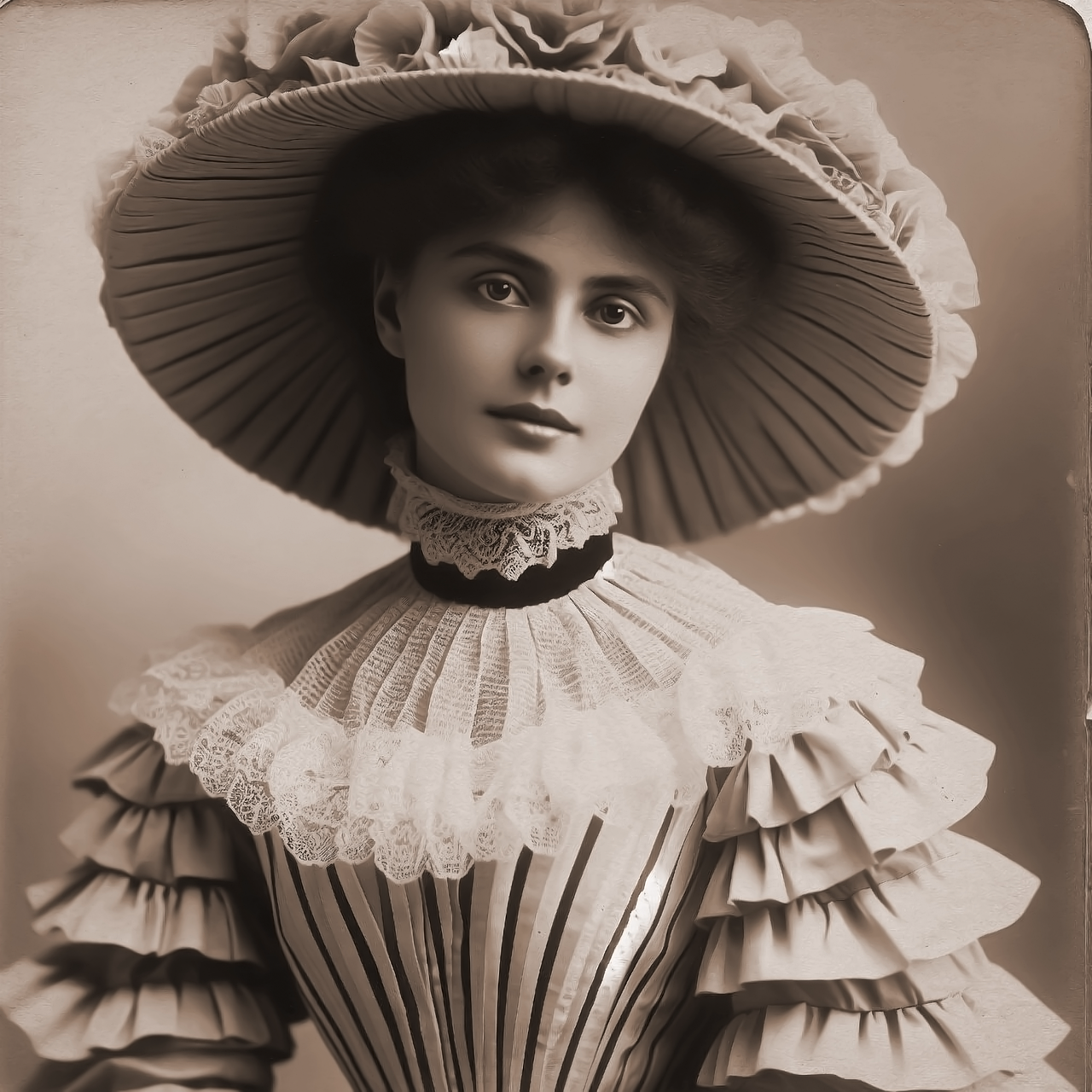
Ubah foto menjadi lukisan impresionis — teratai Monet, Impresi, Matahari Terbit, poppy, Renoir, Degas, atau Morisot — pilih gaya dan palet, lalu atur Ukuran kuas dan Warna terpecah.
Filter foto impresionisme
In the 1870s a group of painters in Paris took their easels outdoors to paint quickly, in the changing light. They set unmixed colours side by side in short, visible strokes, painted shadows blue and violet instead of black, and chose everyday subjects—gardens, harbours, dancers and friends. A critic mocked Monet's "Impression, Sunrise", and the name stuck. This filter repaints your photo the same way: broad strokes first and finer ones where the face needs them, broken colour, coloured light and shadow, impasto and canvas, in a scene after Monet, Renoir, Degas or Morisot. All processed on-device. Ubah foto menjadi lukisan impresionis — teratai Monet, Impresi, Matahari Terbit, poppy, Renoir, Degas, atau Morisot — pilih gaya dan palet, lalu atur Ukuran kuas dan Warna terpecah.
cara itu works
- Open PictorX in your browser and load a photo — portraits with a clear subject work best.
- Choose Impressionism, then pick a Style (Water Lilies, Sunrise, Poppies, Renoir, Degas or Morisot) and a Palette, and adjust Brush Size, Detail, Broken Colour, Light and Frame.
- Export the painting, or keep editing with layers and other effects in the same workspace.
Six Impressionist paintings in one filter
Water Lilies sets the subject in Monet's pond at Giverny, among lily pads and pink and white flowers on water full of sky and willow reflections. Sunrise follows "Impression, Sunrise": a misty harbour with an orange sun, its broken reflection and rowing boats, in loose horizontal strokes. Poppies places it in a summer meadow scattered with red poppies under big white clouds. Renoir paints it in soft, feathery strokes and rosy light, with sunlight falling through the leaves and the lamps of an open-air dance. Degas turns it into a pastel on toned paper, hatched with chalky strokes and drawn over with dark contour lines, before a ballet stage lit by footlights. Morisot paints it in quick zigzag strokes of white and pale colour, with the canvas left bare towards the edges.
Brushstrokes, broken colour and light
The picture is painted in layers, from a broad brush to a fine one, and the fine strokes only go where they are needed, so the face keeps its features while the background stays loose. Brush Size sets the size of the strokes; Detail sets how fine the last strokes are and how closely they follow the photo; Broken Colour adds the touches of unmixed colour—cobalt, vermilion, viridian, cadmium yellow—that make an Impressionist painting shimmer; and Light sets how strongly the light warms the colours and turns the shadows blue and violet. Palette chooses the light itself—Daylight, Photo to keep your own colours, Morning, Sunset or Twilight—and Frame adds a gilded frame.
Privacy and keep editing
Processing stays in your browser—photos are not uploaded to PictorX servers for this filter. After Impressionism, continue with layers, text, Ukiyo-e, Art Nouveau, Pop Art, or export.
Frequently asked questions
What does the Impressionism filter do?
It repaints a photo as an Impressionist painting: visible strokes of broken colour, warm light and blue and violet shadows, impasto and canvas, in a scene after Monet's Water Lilies, Impression, Sunrise or Poppies, or in the manner of Renoir, Degas or Morisot. It is built from your photo, not a copy of any museum painting. Style, Palette, Brush Size, Detail, Broken Colour, Light and Frame shape the look.
What is Impressionism?
An art movement that began in France in the 1860s and 1870s. Painters such as Claude Monet, Pierre-Auguste Renoir, Camille Pissarro, Alfred Sisley, Edgar Degas, Berthe Morisot and Mary Cassatt painted modern life and landscapes with quick, visible brushstrokes and pure colour, to catch the passing effects of light and atmosphere.
Where does the name come from?
From Monet's painting "Impression, Sunrise", shown at the group's first exhibition in Paris in 1874. The critic Louis Leroy used its title to mock the whole group as "Impressionists", and the painters soon took the name as their own.
What photos work best?
Portraits and scenes with one clear subject. Every style sets the subject into a new scene, so a simple background helps. Raise Detail for finer strokes in the face, or lower Brush Size for a more delicate painting.
Related alat
Impresionisme
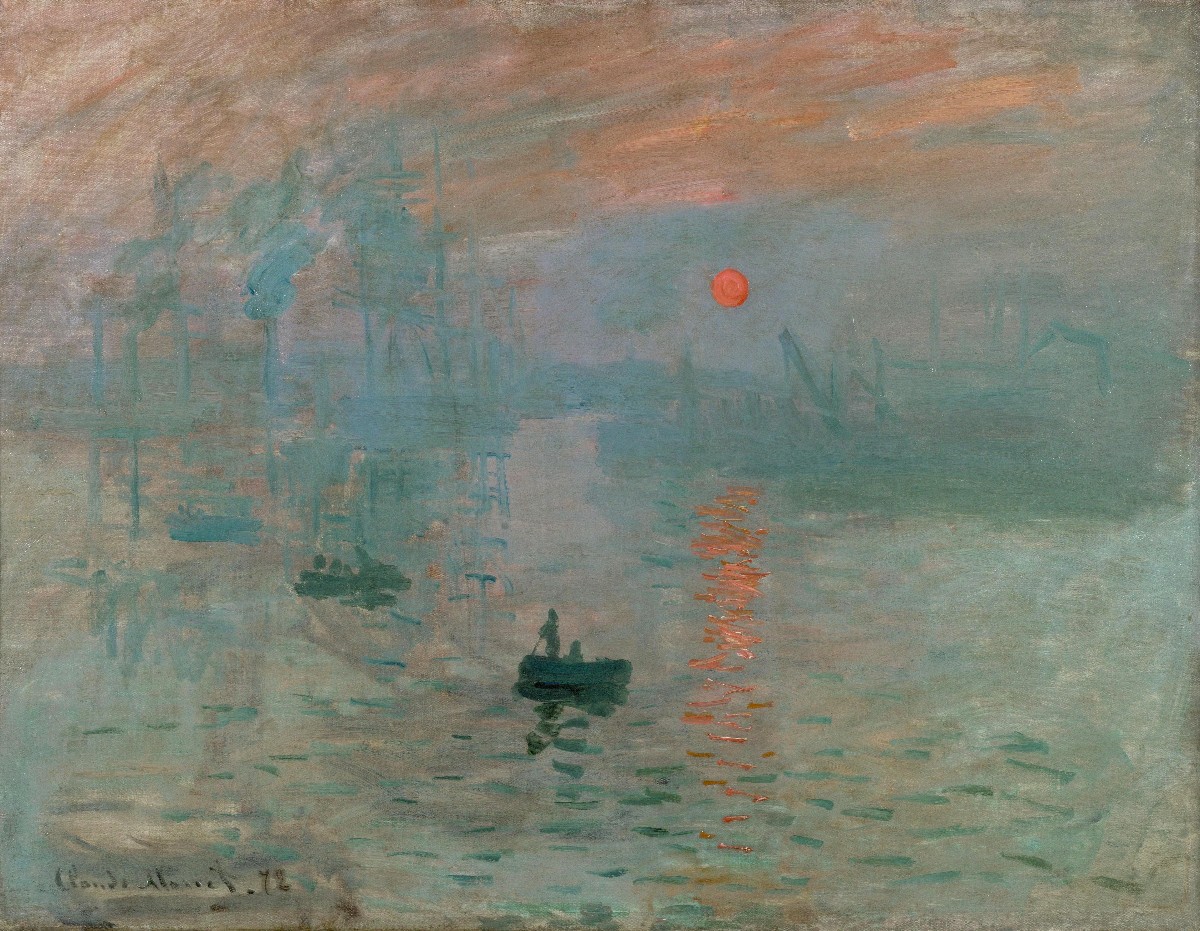
Panduan singkat tentang Impresionisme: pameran 1874 di Paris, Impresi, Matahari Terbit karya Monet, melukis di alam terbuka, teratai di Giverny, cahaya belang-belang Renoir, para penari Degas, Berthe Morisot dan para pelukis impresionis perempuan, warna terpecah dan bayangan berwarna, serta penghormatan digital yang bisa Anda coba di PictorX.
Lukis foto dengan goresan kuas Van Gogh
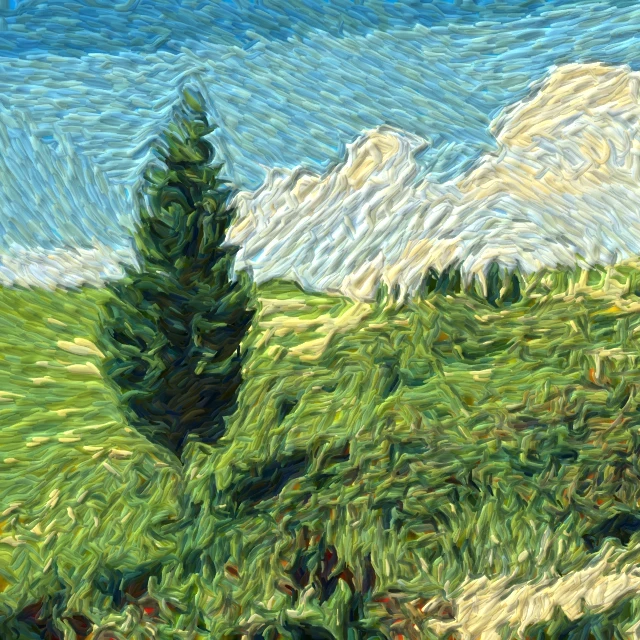
Ubah foto menjadi goresan kuas berputar bergaya Malam Berbintang di browser. Penghormatan digital pada impasto Van Gogh—bukan reproduksi museum.
Filter foto pointilisme - titik warna optik
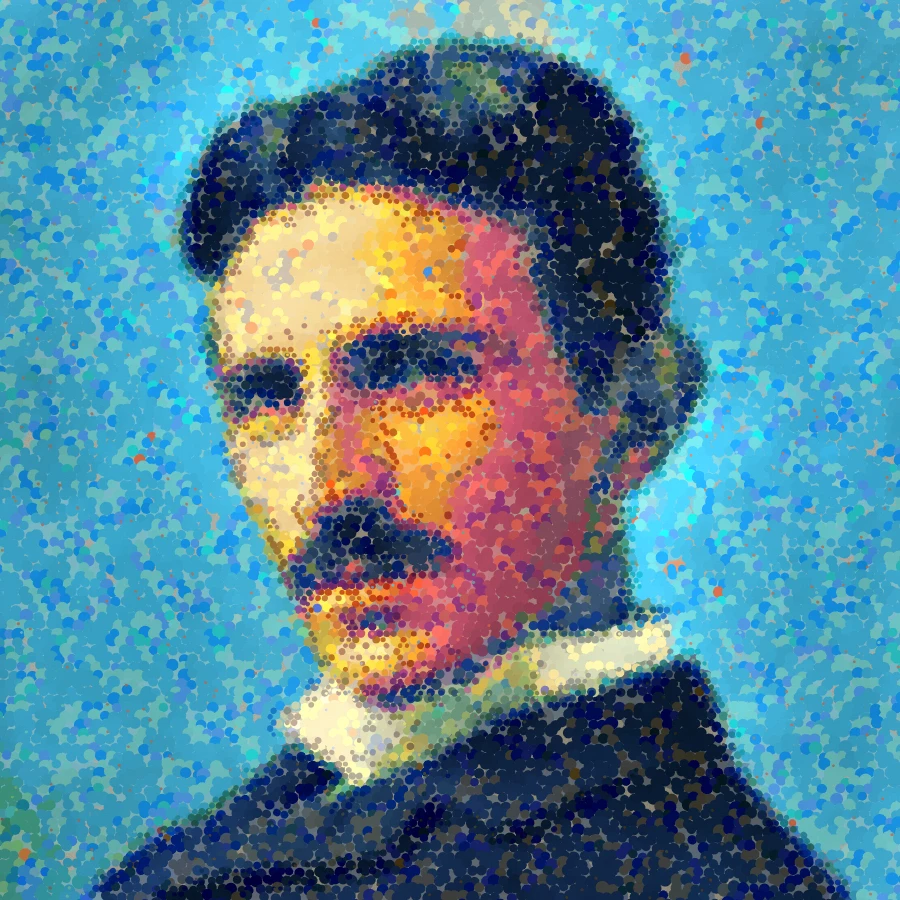
Ubah foto menjadi titik gaya Seurat atau goresan mosaik gaya Signac di browser. Sesuaikan ukuran titik, cakupan, campuran optik, detail, impasto, gaya, palet, dan dasar kanvas.
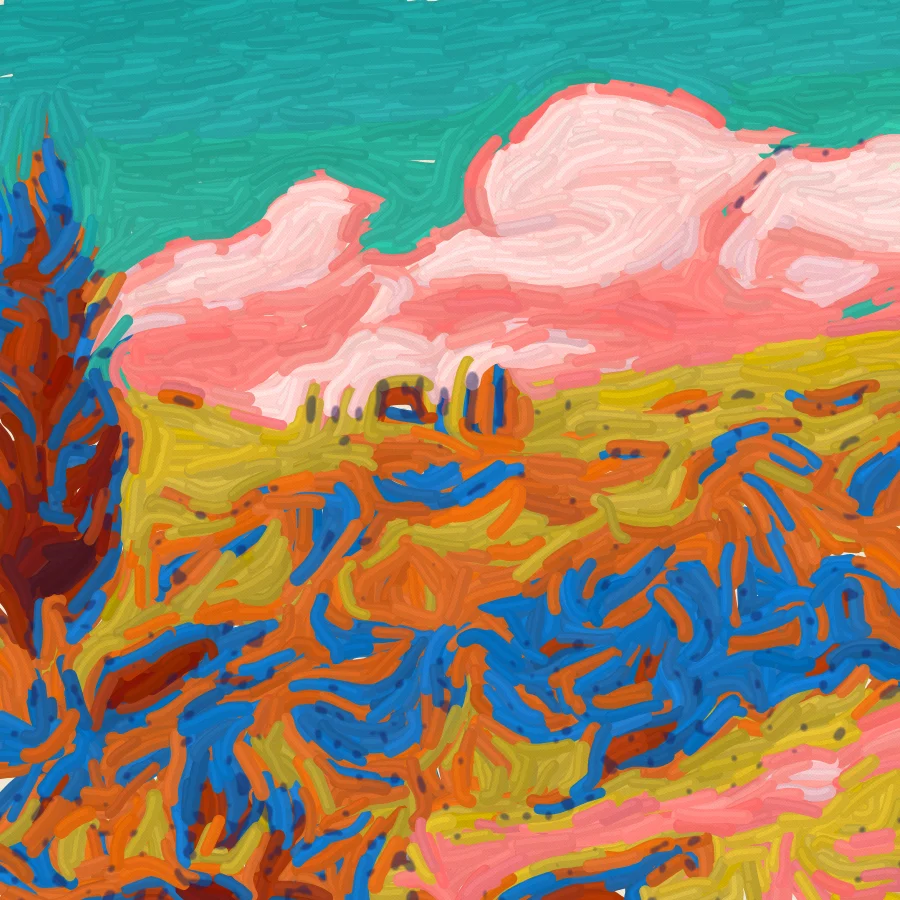
Filter foto Fauvisme - warna liar seperti Matisse, Derain, dan Vlaminck
Ubah foto menjadi lukisan Fauvis di browser: warna sembarang yang menyala dalam sapuan berani, seperti Wanita Bertopi karya Matisse, Derain dan Matisse di Collioure, London karya Derain, atau impasto tebal Vlaminck.
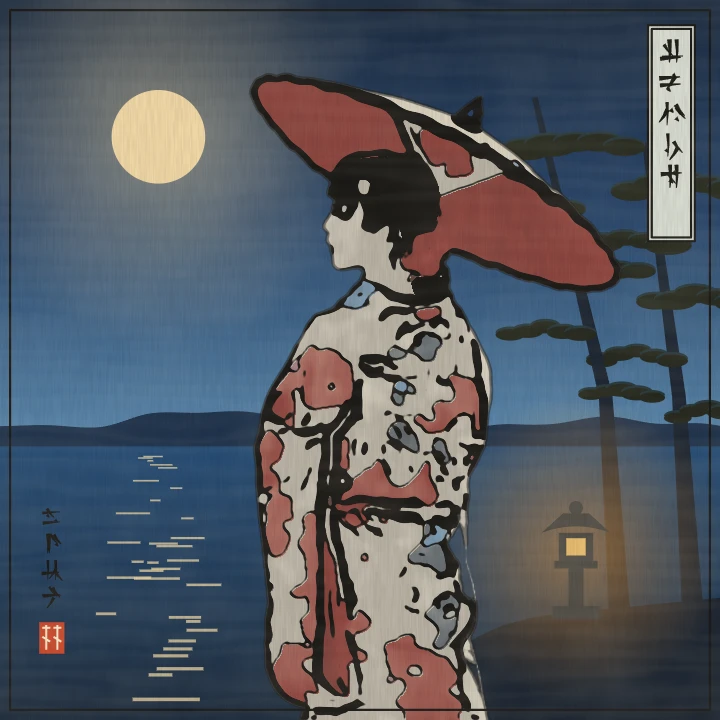
Filter foto ukiyo-e
Ubah foto menjadi cetakan kayu ukiyo-e Jepang di browser: di depan Ombak Besar Hokusai, di bawah hujan Hiroshige, sebagai wanita cantik Utamaro, aktor kabuki Sharaku, atau prajurit Kuniyoshi, atau di antara burung dan bunga.
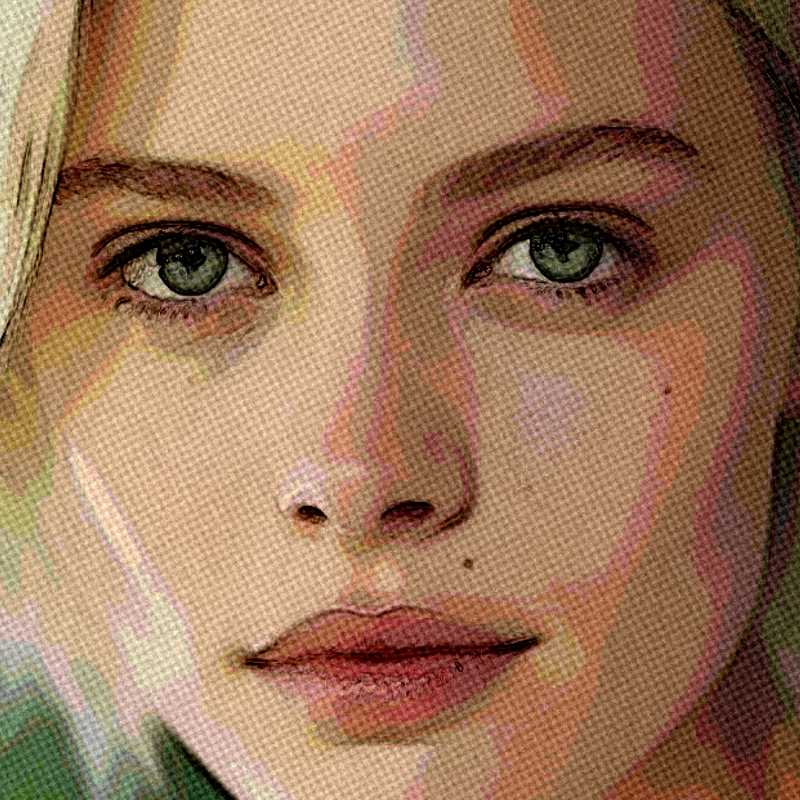
Efek artistik
Transformasi foto dengan oil painting, watercolor, pencil, comic ink, pastels, paper potong-keluar, dan lain studio art tampilan.
Siap ke coba itu?
Buka PictorX di browser Anda — tidak instalasi, tidak credit kartu diperlukan ke mulai.
Ke Editor