
Cubism
Read more about Cubism—the early-20th-century art movement that broke objects into geometric planes and showed several viewpoints at once—and try a digital Cubism look in PictorX.
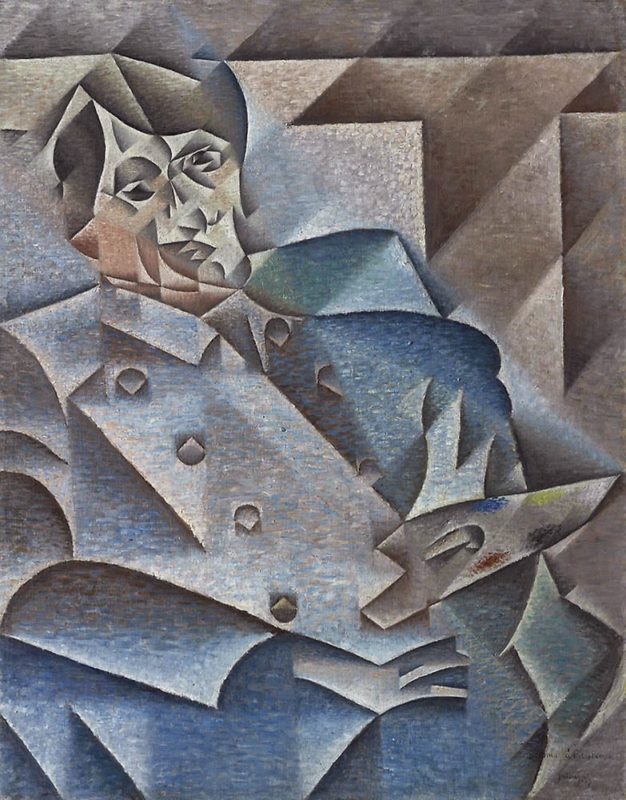
What is Cubism?
Cubism is an early modern art movement that emerged in Paris around 1907–1908. Instead of painting a single eye-level view, Cubist artists analysed form into interlocking facets and planes. A bottle, a face, or a guitar might appear as if seen from the front, side, and above in one image. The result can look shattered or crystalline, but the aim was clarity of structure—not chaos.
Picasso, Braque, and the first experiments
Pablo Picasso and Georges Braque developed Cubism in close dialogue. Works such as Picasso’s proto-Cubist explorations around Les Demoiselles d’Avignon (1907) and Braque’s landscapes at L’Estaque pushed past Impressionist light toward solid, almost sculptural volumes. African and Iberian sculpture, and Cézanne’s advice to treat nature as cylinder, sphere, and cone, fed the new language of planes.
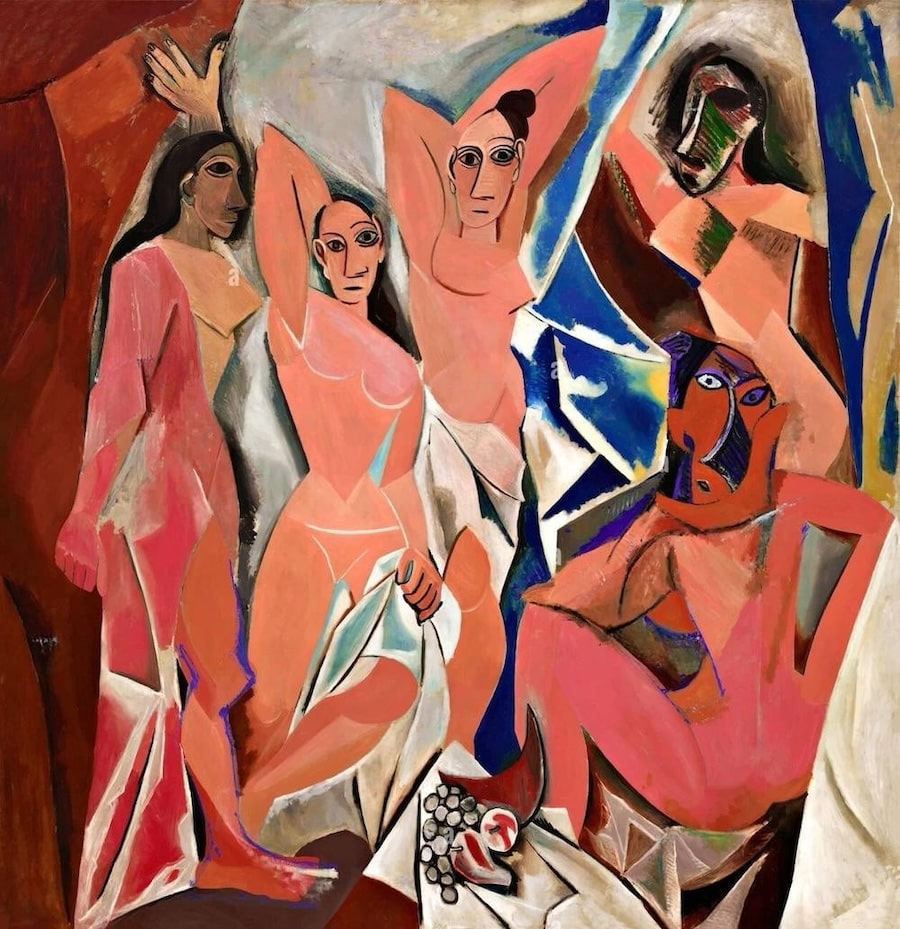
Analytic Cubism
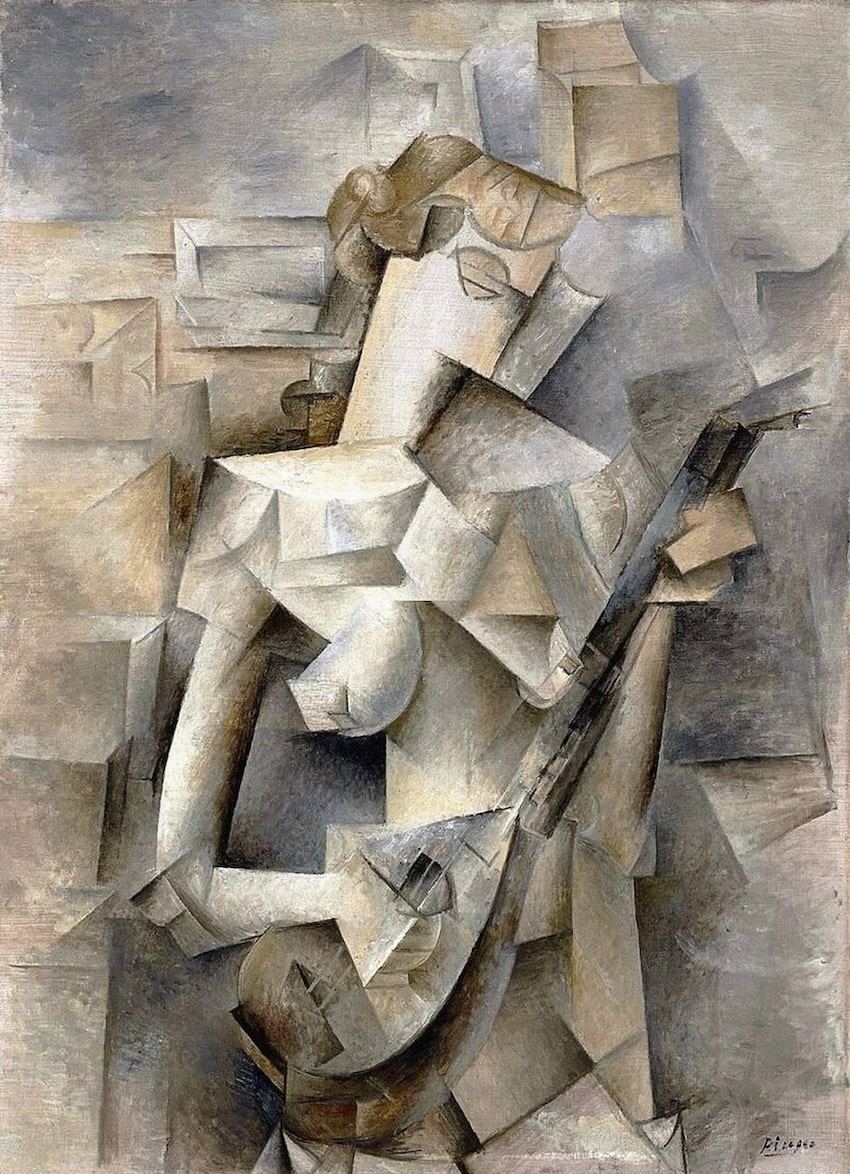
From about 1909 to 1912, Analytic Cubism favoured muted greys, ochres, and browns. Forms were broken into small overlapping facets; depth flattened; lettering and still-life motifs (violins, bottles, newspapers) helped the eye lock onto the subject. The painting reads as a shifting architecture of planes rather than a window onto a scene.
Synthetic Cubism
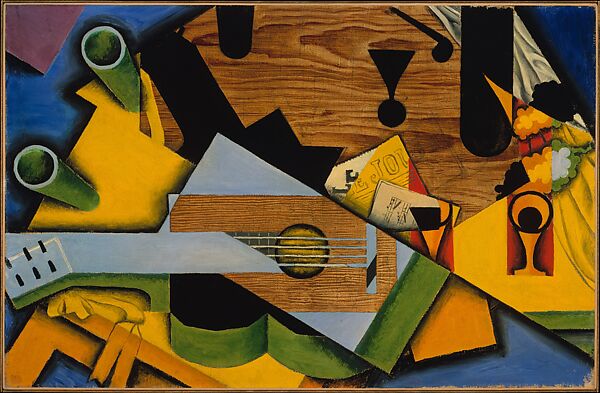
After 1912, Synthetic Cubism rebuilt the picture from simpler shapes, brighter colour, and collage: wallpaper, newspaper, wood-grain paper glued onto the canvas (papier collé). Juan Gris and others clarified silhouette and pattern. The object returns as a constructed sign—assembled rather than dissected.
Why Cubism still matters
Cubism changed how artists think about space, time, and representation. It opened the door to abstract painting, collage, design, and later digital fragmentation effects. Seeing an object from many angles at once is now a familiar idea in photography, 3D, and UI—Cubism got there first with paint and paper.
A digital homage in PictorX
PictorX Cubism is a browser photo effect inspired by overlapping geometric planes and multi-angle structure. It is not a reproduction of any museum painting, not an AI forgery of a Picasso or Braque, and not a claim of authenticity. Use it to see your own photo as faceted form—not to sell fake Cubist masterpieces.
Try the look in PictorX
Open artistic effects, choose Cubism, and load a portrait, still life, or city scene with clear shapes. Strong edges and simple subjects give the geometric planes more to latch onto. Nothing is uploaded to PictorX servers. Keep editing with other artistic looks in the same workspace.
Ofta ställda frågor
What is Cubism in art?
An early-20th-century movement, led especially by Picasso and Braque, that depicts subjects as geometric planes and often combines several viewpoints in one image.
What is the difference between Analytic and Synthetic Cubism?
Analytic Cubism (c. 1909–1912) breaks forms into muted facets. Synthetic Cubism (from c. 1912) rebuilds subjects with simpler shapes, colour, and collage materials.
Who invented Cubism?
It grew from collaboration between Pablo Picasso and Georges Braque in Paris, with Juan Gris and others expanding the style soon after.
Is the PictorX Cubism filter a real Cubist painting?
No. It is a digital photo effect inspired by faceted planes and multi-angle structure. Original Cubist paintings remain unique museum works.
Relaterade verktyg
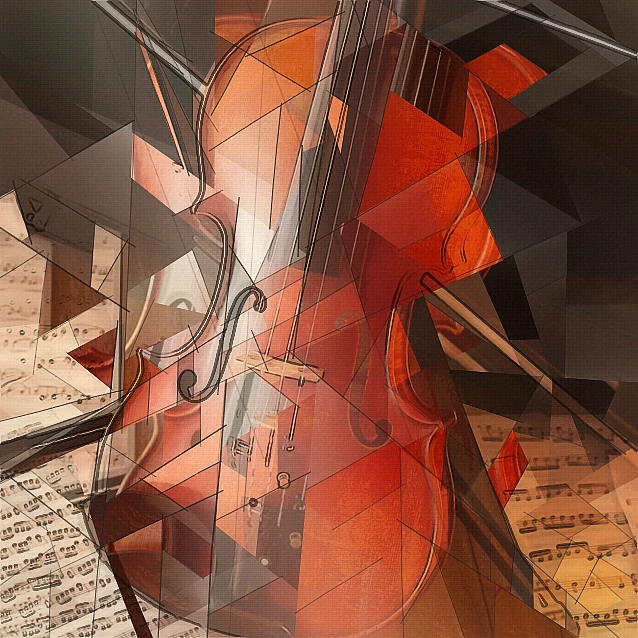
Cubism photo filter — geometric facets
Turn a photo into Analytic Cubism-inspired geometric facets in your browser. Adjust Facet Size, Perspectives, Flattening, Contour, and Contrast. Nothing is uploaded to PictorX servers.
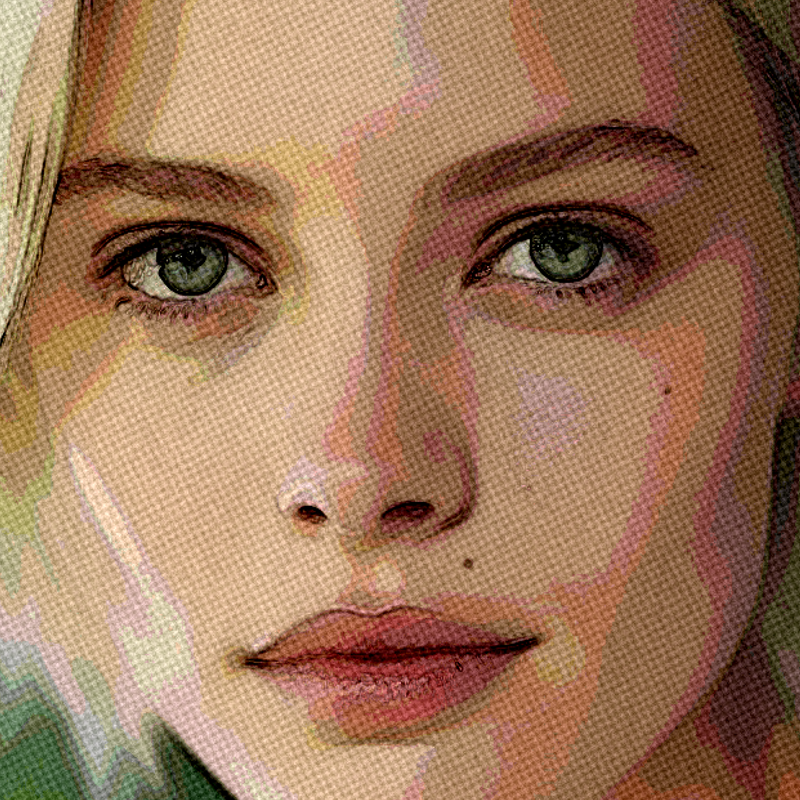
Konstnärliga effekter
Förvandla foton med oljemålning, akvarell, penna, komisk bläck, pasteller, papper cut-out och annan studio konst ser ut. Använd PictorX gratis i din webbläsare utan programinstallation krävs.
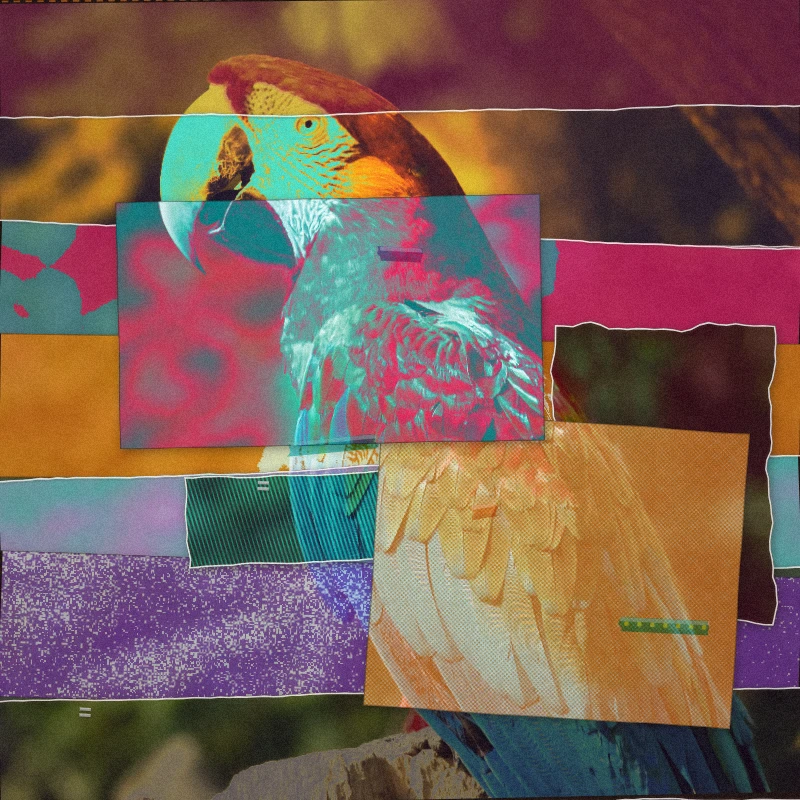
Turn a photo into a mixed-media collage
Rebuild a photo as a mixed-media collage in your browser—torn scraps, print textures, tape, and xerox. Nothing is uploaded to PictorX servers.
Mixed media
En kort guide till mixed media: collage och assemblage, trycktexturer som halftone och dotscreen, och en digital collagehyllning du kan prova i PictorX.
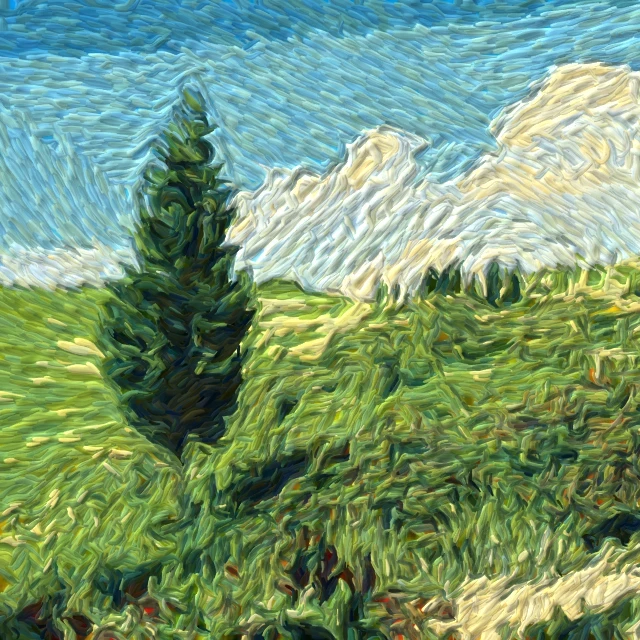
Paint a photo in Van Gogh brushstrokes
Turn a photo into swirling Starry Night-style brushstrokes in your browser. A digital homage to Van Gogh impasto—not a museum reproduction. Nothing is uploaded to PictorX servers.
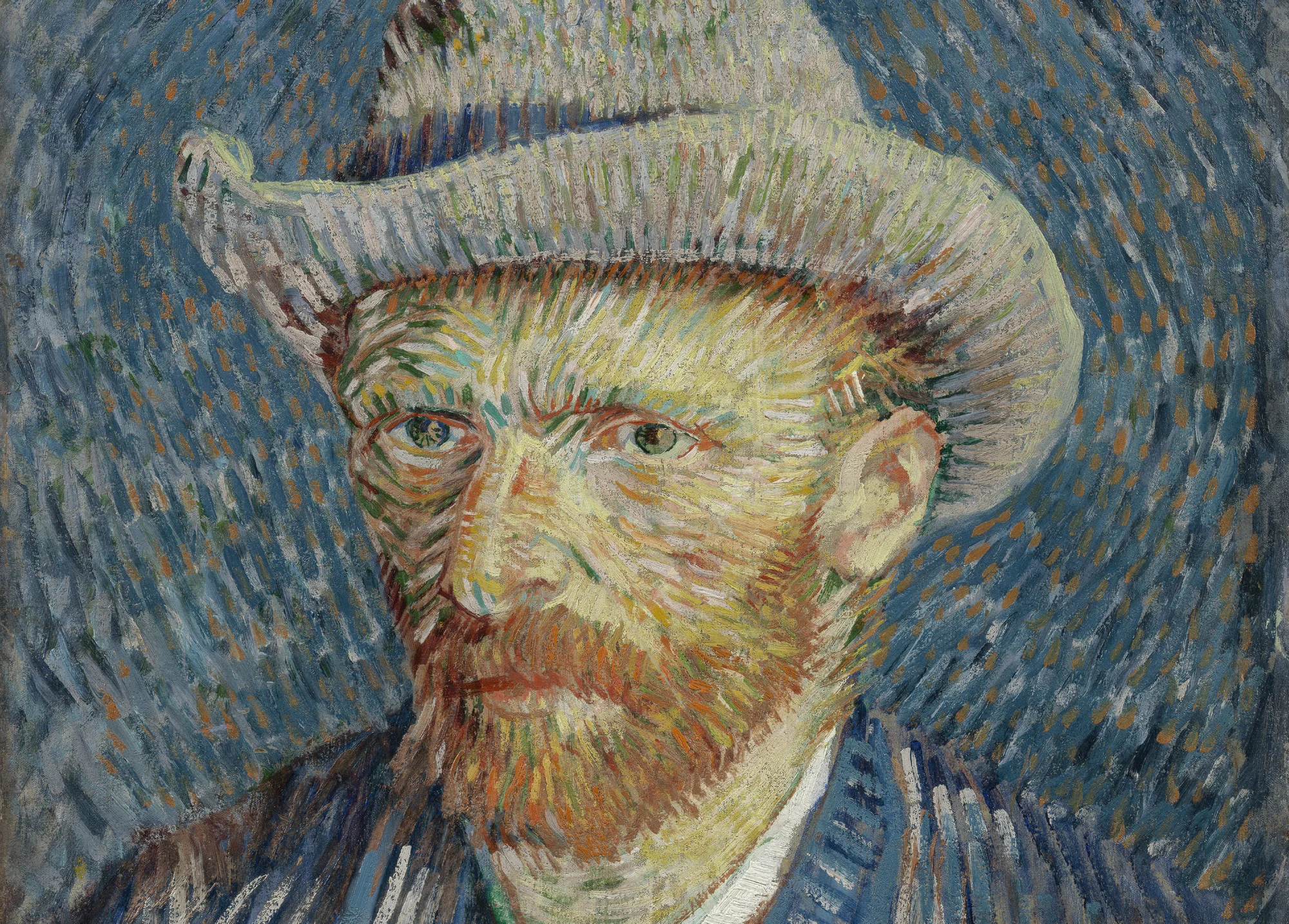
Vincent van Gogh
En kort guide till Vincent van Gogh: nederländsk postimpressionism, virvlande penseldrag, Stjärnenatt och solrosor – och en respektfull digital hyllning du kan prova i PictorX.
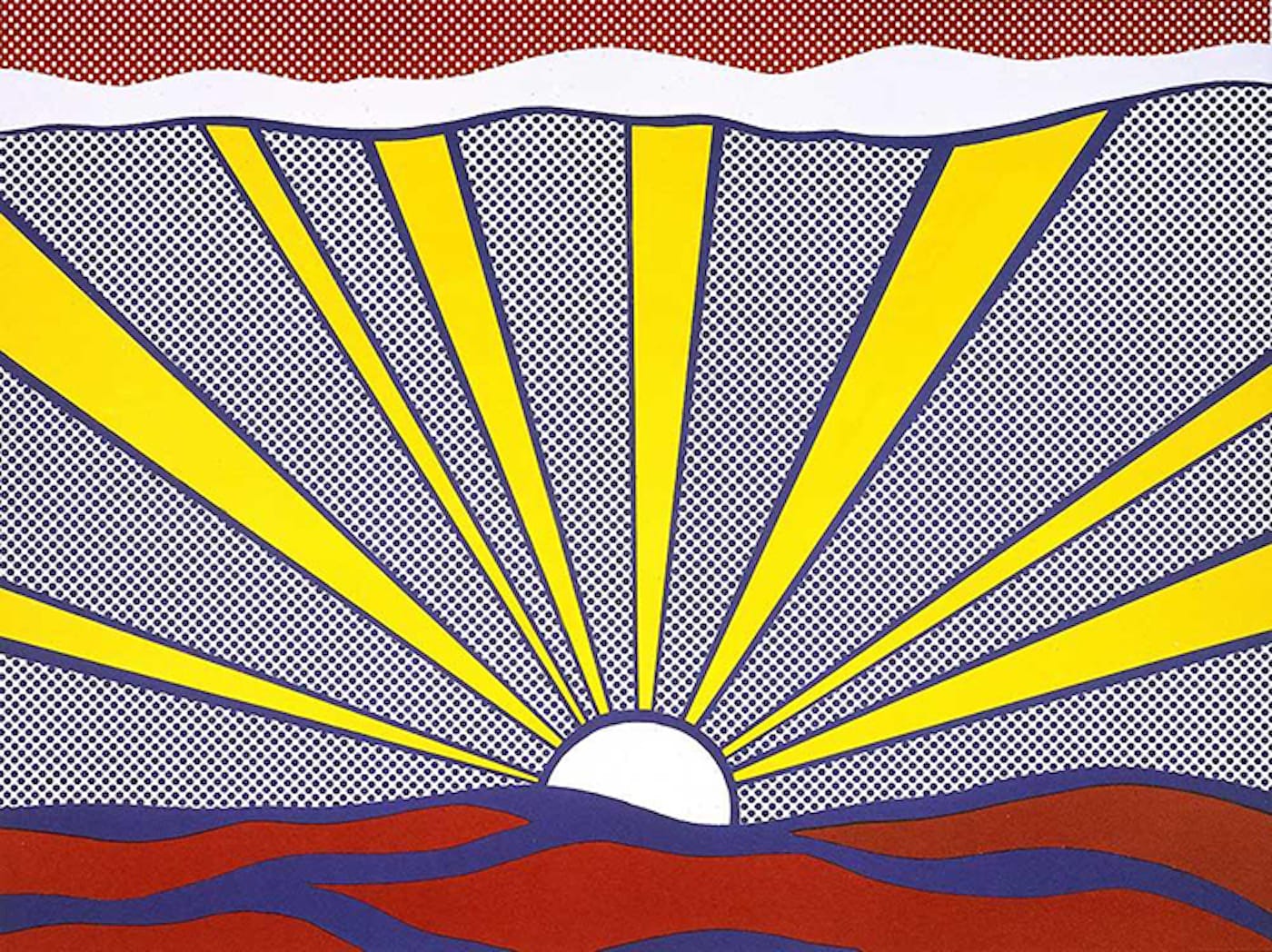
Pop Art
Lär dig hur Pop Art förvandlade reklam, serier och konsumentprodukter till konst -Andy Warhol, Roy Lichtenstein, silkscreen och uppkomsten av masskultur.
Måla ett foto i aboriginal-stil prickar
Förvandla ett foto till aboriginal-stil prickmålning i din webbläsare. Edge prickar följer ämnet; resten fyller med färgfält prickar. Ingenting laddas upp till PictorX-servrar.
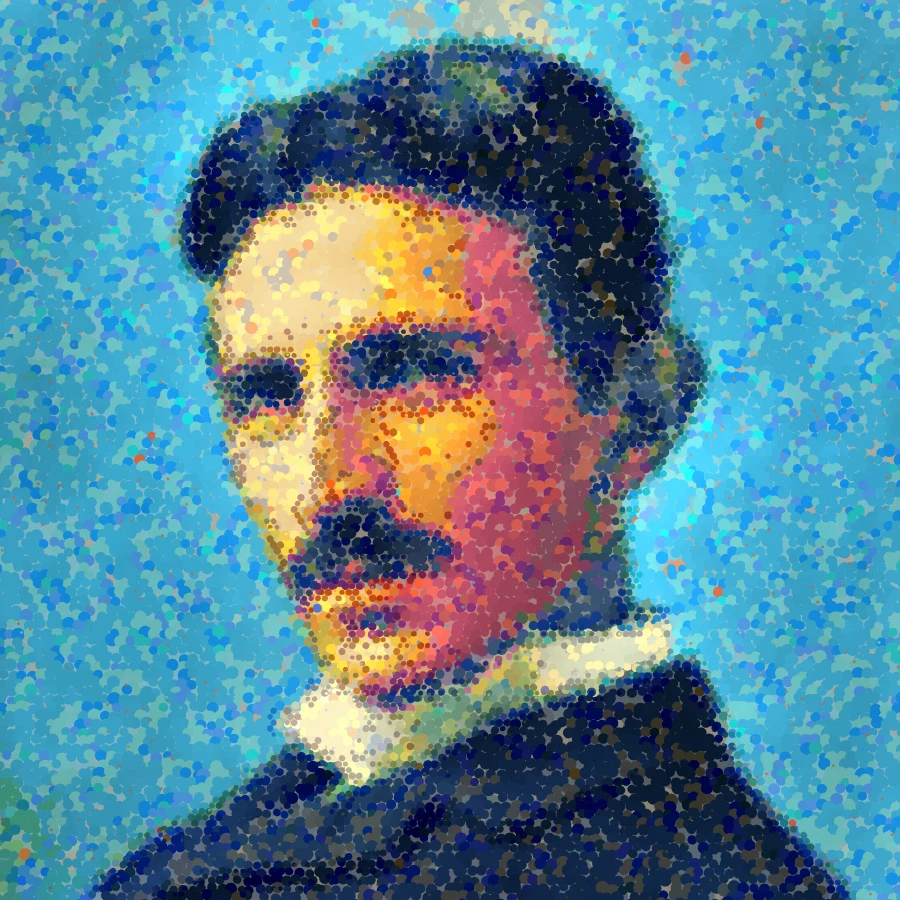
Pointillism photo filter — optical colour dots
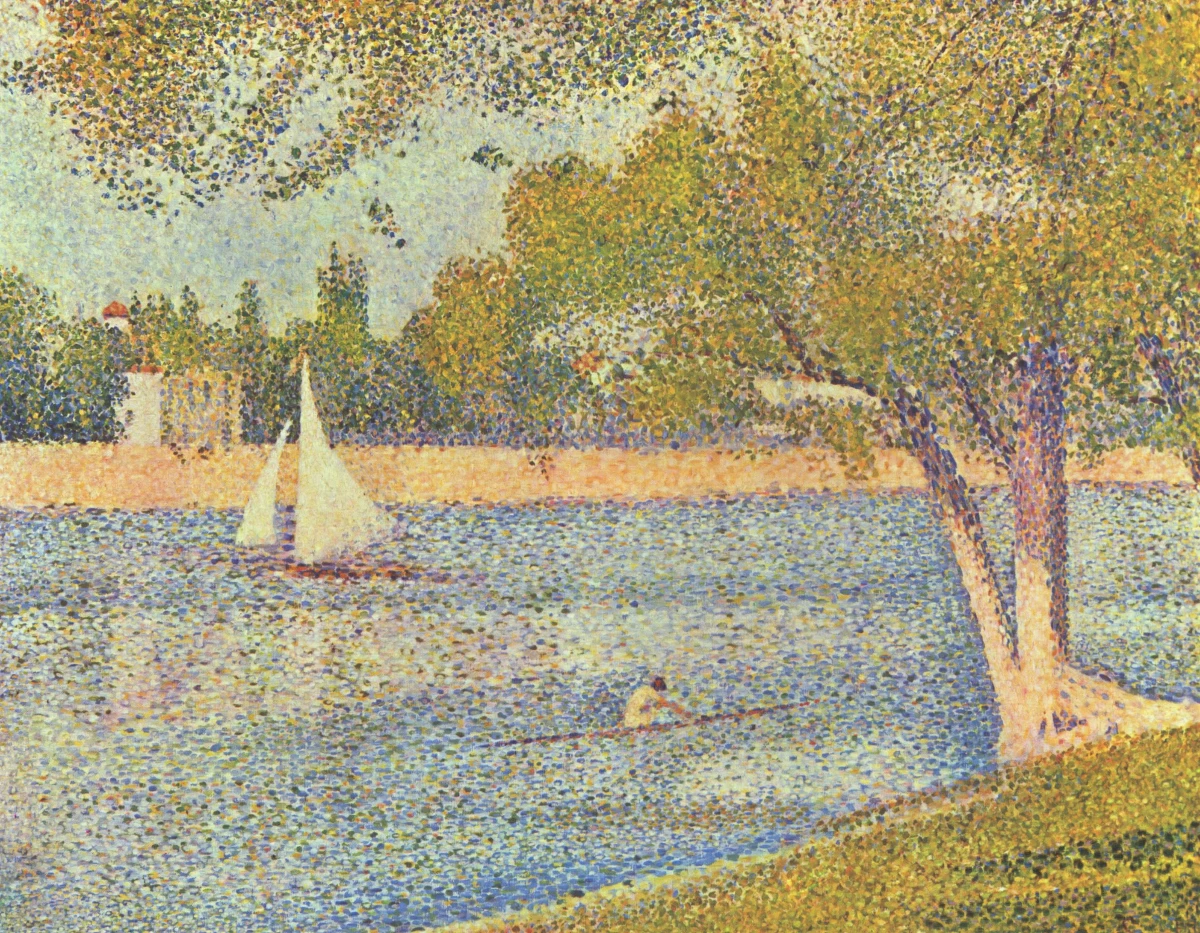
Turn a photo into Seurat-style dots or Signac-style mosaic strokes in your browser. Adjust Dot Size, Coverage, Optical Mix, Detail, Style, Palette, and Canvas Ground. Nothing is uploaded to PictorX servers.
Pointillism
Kort guide till pointillism: Seurat och Signac, neoimpressionism, optisk färgblandning med punkter och en digital hyllning i PictorX.
Redo att prova det?
Öppna PictorX i din webbläsare - ingen installation, inget kreditkort krävs för att starta.
Try Cubism